Tile and stone are considered the best flooring for radiant heat due to their superior thermal conductivity and ability to retain warmth. For homeowners seeking a wood finish, engineered hardwood is an ideal choice because its stable construction prevents warping during temperature cycles.
Stepping onto a cold floor on a January morning in Utah is a jarring experience that even the best furnace cannot fully fix. While radiant heating systems offer the ultimate in home comfort, their efficiency depends entirely on the materials installed above them. Choosing the wrong flooring can lead to uneven temperatures, wasted energy, or even permanent damage to your investment. At Anders Flooring, we understand that a beautiful floor must also be functional. In this guide, we explore the best flooring options for radiant heat, from the thermal excellence of natural stone to the stability of engineered hardwood. You will learn how to maximize heat transfer in a high desert climate, which materials withstand temperature fluctuations, and the professional installation techniques required to ensure your system performs flawlessly for years to come.
Understanding Radiant Heat in the Utah Climate
Residents in Fillmore and throughout Millard County understand the unique challenges of our high-desert winters. As temperatures drop, radiant heating offers a consistent warmth that forced-air systems often struggle to replicate. Selecting the best flooring for radiant heat requires more than an eye for design; it demands an understanding of how materials interact with two primary systems: hydronic, which circulates heated liquid through tubing, and electric, which uses conductive cables or mats.
Performance hinges on two technical factors: thermal conductivity and thermal stability. Conductivity determines how efficiently heat transfers from the system to your feet, while stability dictates how well the material resists expanding or contracting during temperature cycles. In Utah, our exceptionally low humidity levels introduce an additional layer of complexity. Dry air can cause certain materials to become brittle or gap when heated from below.
Successful integration requires selecting products that can handle both the heat source and our arid climate. Our professional installation services ensure that these environmental factors are accounted for during every phase of the project. If you have questions about specific system requirements for your home, please contact our expert team to discuss the technical specifications of your subfloor before beginning your renovation.
The Gold Standard: Tile and Natural Stone
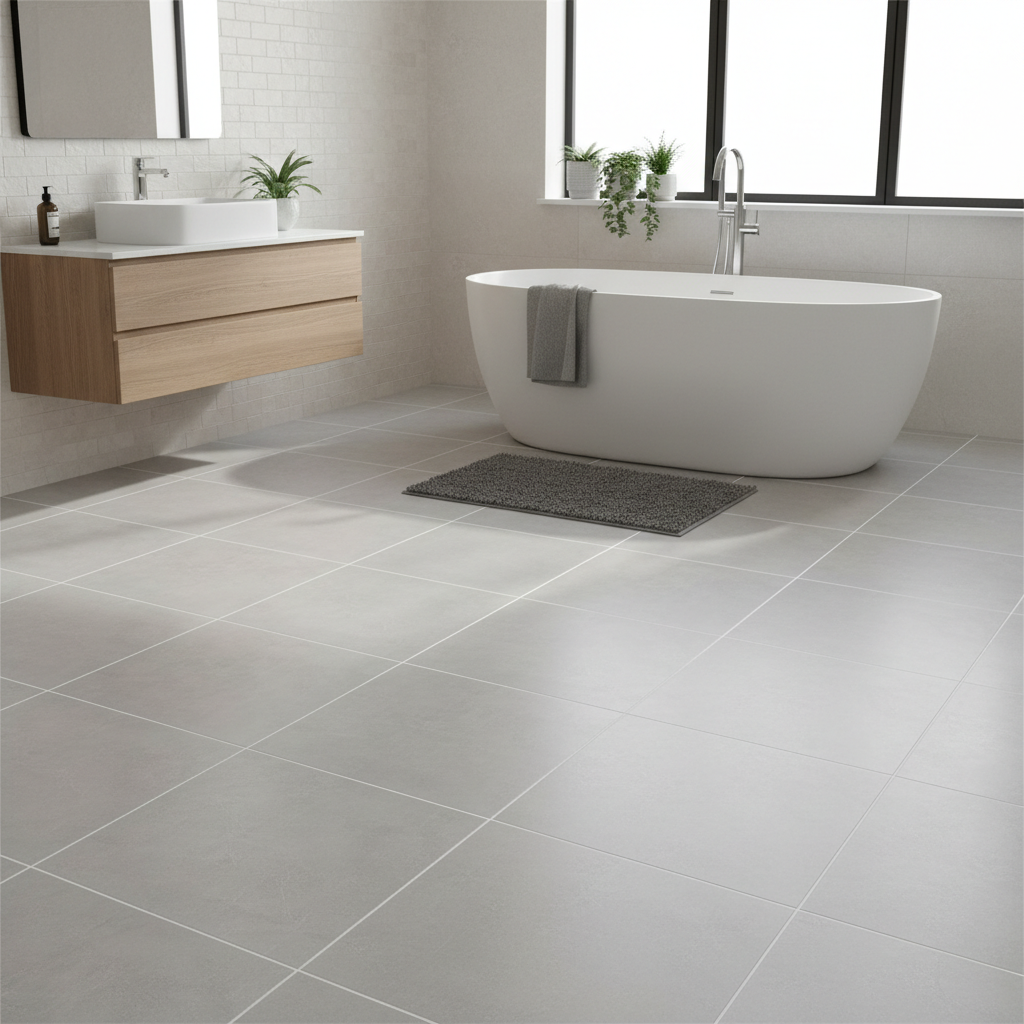
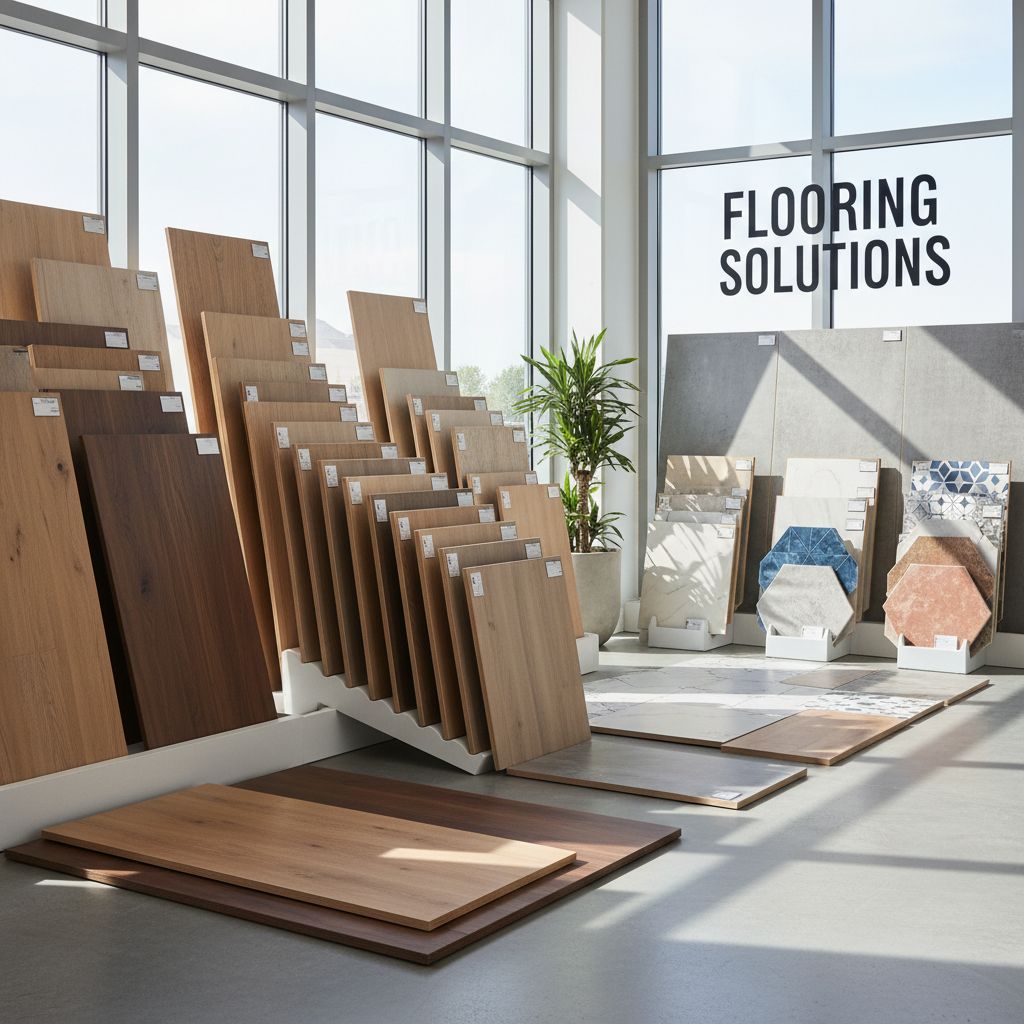
For maximum efficiency, tile and natural stone represent the pinnacle of performance for radiant systems. These materials possess high thermal conductivity, meaning they allow heat to pass through to the surface quickly without significant energy loss. Beyond just conductivity, stone and ceramic products act as a thermal mass; they store heat during the system's active cycle and continue to radiate warmth into the room long after the boiler or electric mat has cycled off. This makes them the most energy-efficient choice for maintaining a steady temperature in a Millard County home.
Porcelain tile is particularly effective due to its extreme density and low porosity, which prevents it from being affected by the dry winter air common in Fillmore. Natural stone options like slate or travertine also perform exceptionally well, though they may take slightly longer to reach peak temperature than porcelain.
Material | Thermal Conductivity | Heat Retention | Recommended Local Use |
|---|---|---|---|
Porcelain Tile | Excellent | High | Entryways, Bathrooms, Kitchens |
Slate | High | Very High | Mudrooms, High-Traffic Areas |
Travertine | Moderate | High | Main Living Areas, Sunrooms |
When selecting these materials, the choice of grout is equally critical. We recommend high-performance, polymer-modified or epoxy grouts that offer inherent flexibility. Standard grouts can become brittle or crack under the repeated thermal expansion and contraction of a heated floor, so professional-grade additives are necessary to maintain the integrity of the installation.
In our local climate, tile and stone are arguably the best flooring for radiant heat in high-traffic areas like mudrooms and entryways. Utah winters bring significant amounts of snow and road salt into the home. While these elements can damage or stain other materials, tile resists moisture and chemical abrasion while providing a warm, dry surface for wet boots to sit on. To learn more about Anders Flooring and our commitment to quality, consider how our professional installation services include precise mortar application to eliminate air pockets that could otherwise act as insulators and reduce your system's efficiency.
Engineered Hardwood vs Solid Wood for Radiant Systems
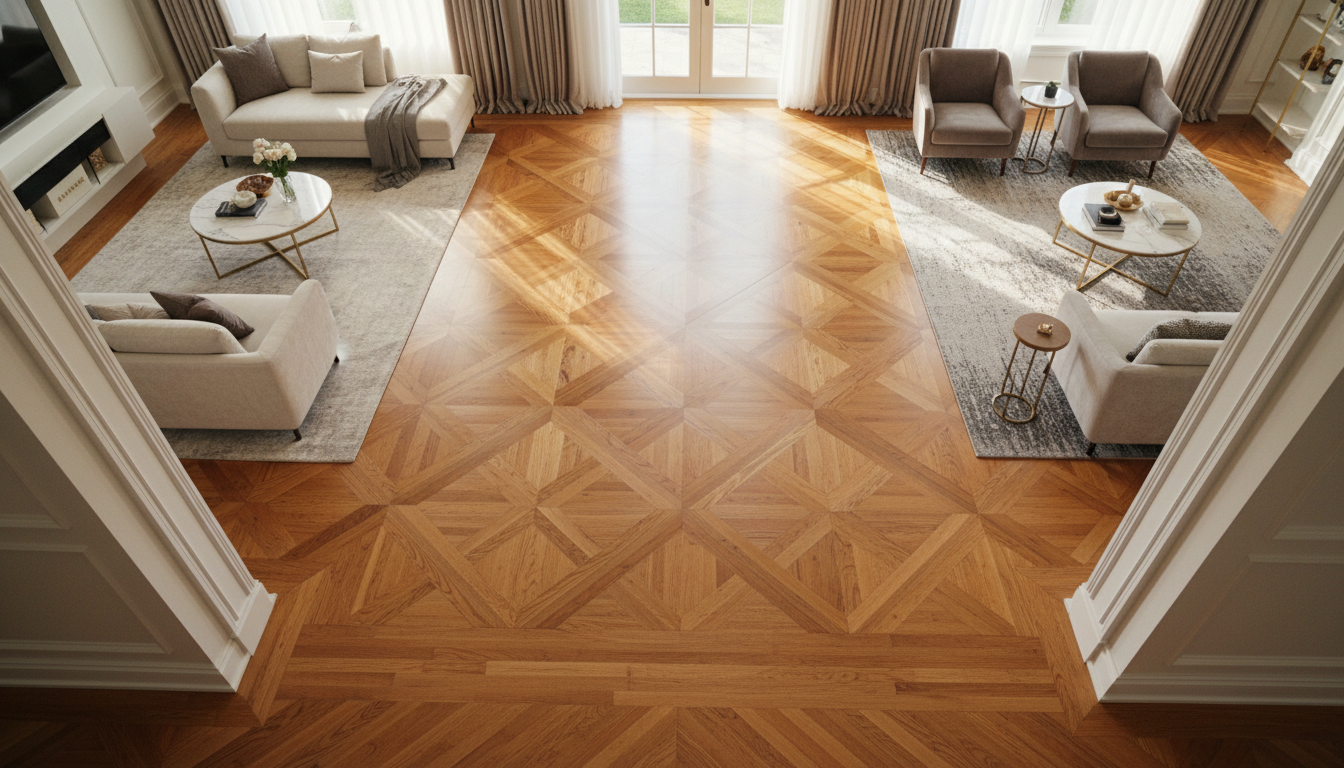
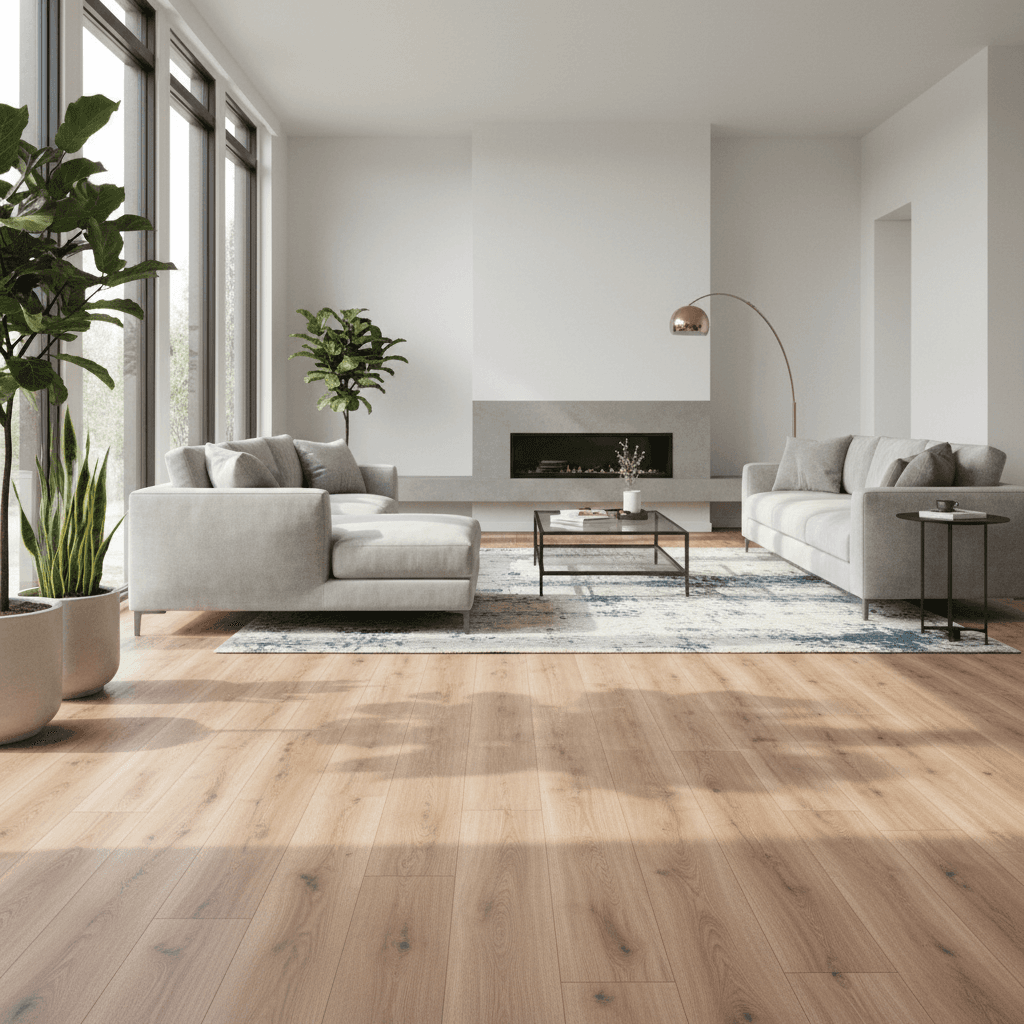
Homeowners in Fillmore often ask if they can achieve the classic look of wood while enjoying the comfort of underfloor heating. While both are possible, engineered hardwood is the superior choice for radiant systems. Unlike solid wood, which consists of a single piece of timber, engineered flooring features a layered construction with a real wood veneer atop a core of cross-ply plywood. This cross-directional graining provides the dimensional stability necessary to withstand the cycle of heating and cooling without significant movement.
Solid hardwood is generally discouraged for radiant applications in our Millard County climate. Because solid planks are highly reactive to environmental changes, the heat from below combined with Utah's naturally low humidity can lead to cupping, warping, or permanent gapping between boards. Even with engineered products, species selection matters; white oak and hickory are notably stable choices that perform well under thermal stress, whereas species like maple or certain exotic woods tend to be more temperamental.
Feature | Engineered Hardwood | Solid Hardwood |
|---|---|---|
Stability | High (Resists warping) | Low (Prone to gapping) |
Construction | Cross-ply layers | Single solid plank |
Radiant Compatibility | Recommended | Not Recommended |
Max Surface Temp | 80-82°F | N/A (High Risk) |
To protect the integrity of your investment, it is vital to keep the floor surface temperature at or below 82 degrees Fahrenheit. Operating the system at higher temperatures can dry out the wood fibers excessively, leading to structural failure. Our professional installation services include guidance on sensor placement and thermostat calibration to ensure your system stays within these safe limits. If you are unsure which species best fits your home's heating profile, contact our expert team for a detailed consultation on material compatibility.
Luxury Vinyl Plank (LVP) and Laminate Considerations
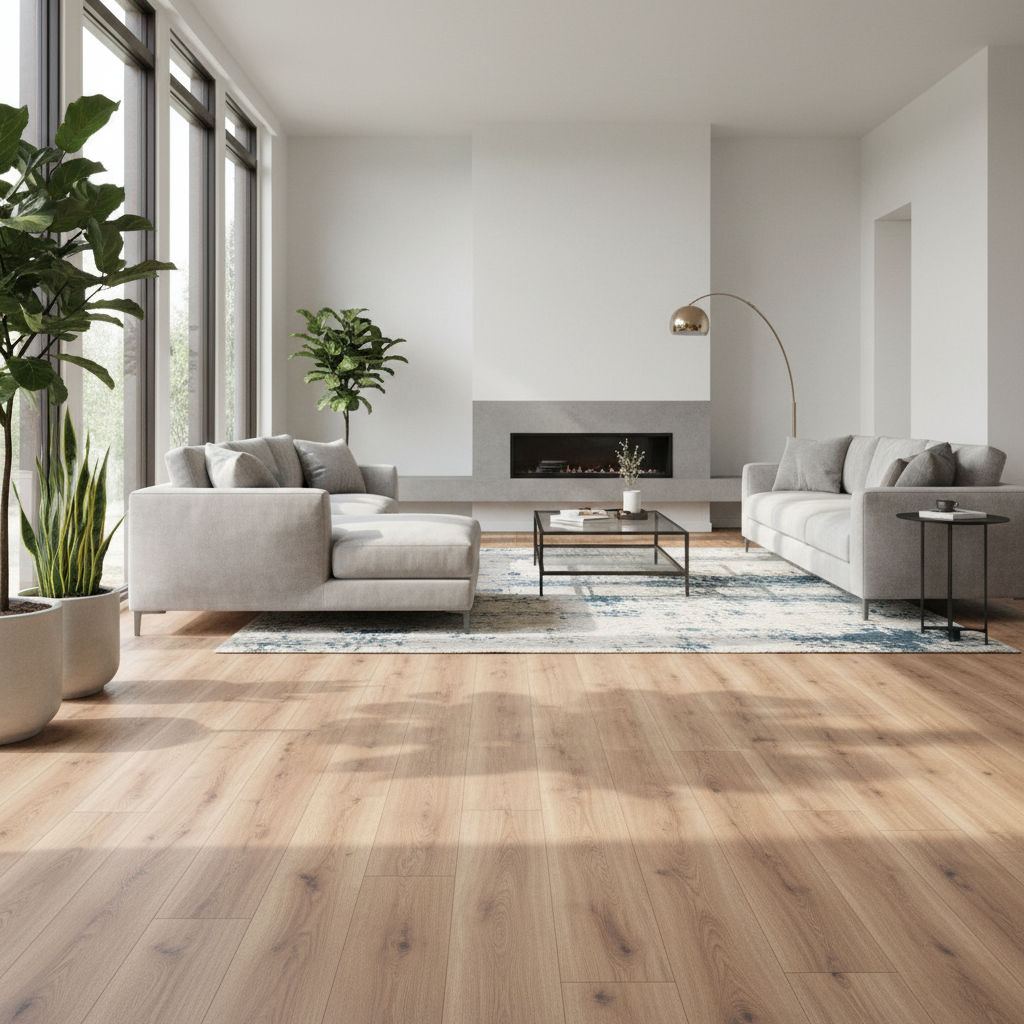
Modern Luxury Vinyl Plank (LVP) and laminate have become popular alternatives for homeowners seeking the best flooring for radiant heat without the high cost of stone or the moisture sensitivity of certain hardwoods. Many current LVP products are specifically designed to be compatible with radiant systems; however, success depends entirely on adhering to manufacturer specifications. Most synthetic flooring products have a strict upper temperature limit, often capped at 85 degrees Fahrenheit. Exceeding this limit can cause the vinyl to soften or the laminate layers to delaminate, eventually compromising the structural integrity of the floor.
When choosing between installation methods, the distinction between click-lock and glue-down is vital for heated environments. Click-lock, or floating, systems are often preferred for radiant heat because they allow the floor to expand and contract as a single unit as the temperature fluctuates. If a glue-down application is chosen, it requires specialized, high-temperature adhesives. Standard adhesives may break down under constant thermal stress, leading to shifting or peaking at the seams over time.
Consideration | Luxury Vinyl Plank (LVP) | Laminate |
|---|---|---|
Heat Transfer | Moderate (Slower than tile) | Moderate |
Installation | Click-lock or Glue-down | Mostly Click-lock/Floating |
Moisture Resistance | High (Often waterproof) | Moderate to High |
Underlayment | Often pre-attached | Required for acoustics/cushion |
While these materials do not possess the thermal mass of porcelain, they provide a softer, more resilient surface underfoot. This makes them an excellent choice for bedrooms or walk-out basements in Fillmore, where a completely rigid stone floor might feel less inviting. Our professional installation services ensure that the chosen underlayment does not act as an unintended insulator, which would otherwise force your heating system to work harder. If you are comparing specific brands for your renovation, contact our expert team to verify their thermal rating and warranty requirements before finalizing your selection.
Best Flooring for Radiant Heat Over Concrete Slabs
For many newer builds in Fillmore and across the Pahvant Valley, slab-on-grade foundations are the standard. When installing a system within these foundations, the concrete slab serves as a massive heat sink. This means the concrete absorbs a significant amount of thermal energy and releases it slowly, providing a very stable and consistent temperature. However, achieving the best flooring for radiant heat concrete applications requires meticulous subfloor preparation.
Moisture testing is the most critical step before any material is laid down. Even in our arid Utah climate, concrete can retain or wick moisture from the ground. When radiant heat is activated, it can drive this moisture upward as vapor, potentially causing LVP to bubble or wood products to fail. Our professional installation services include comprehensive moisture vapor emission rate (MVER) testing to ensure the slab is sufficiently dry.
Preparation Step | Purpose | Impact on Radiant Heat |
|---|---|---|
Moisture Testing | Prevents vapor damage | Protects floor longevity |
Self-Leveling | Ensures full contact | Eliminates cold spots/air gaps |
Thermal Underlayment | High-density support | Balances protection and conductivity |
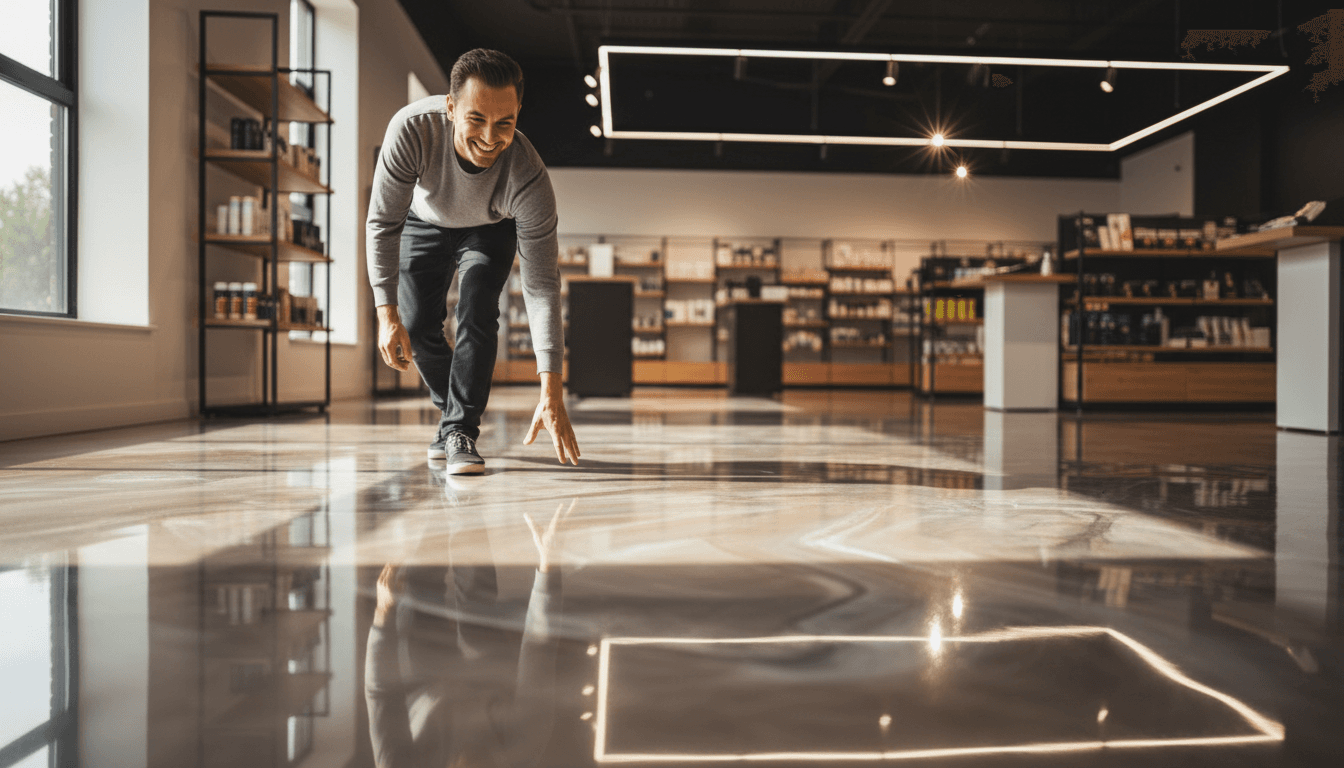
While polished concrete itself is a highly efficient option, it often lacks the visual and tactile warmth residents desire for their primary living spaces. If you are planning a renovation on a slab, contact our expert team to discuss which underlayments offer the best thermal transfer while providing the necessary vapor barrier for your specific subfloor conditions.
Professional Installation and Temperature Ramping
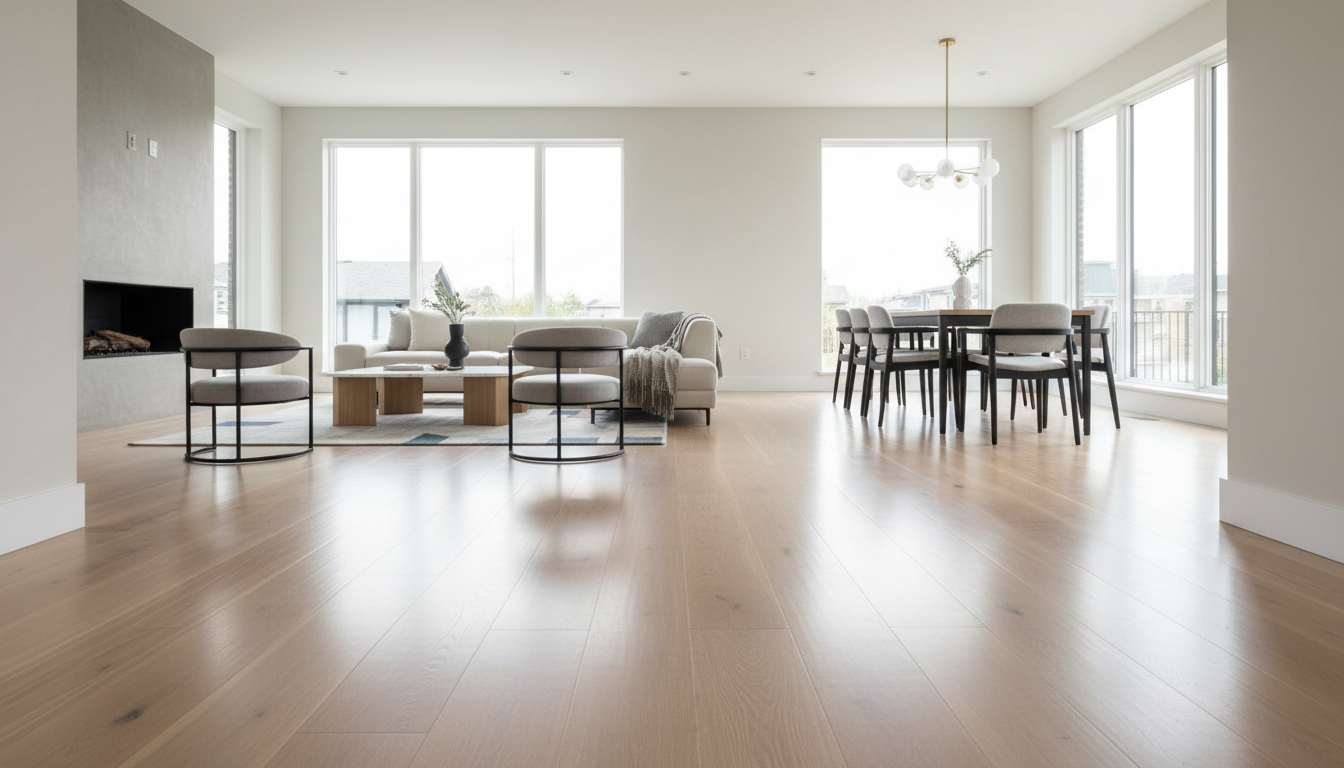
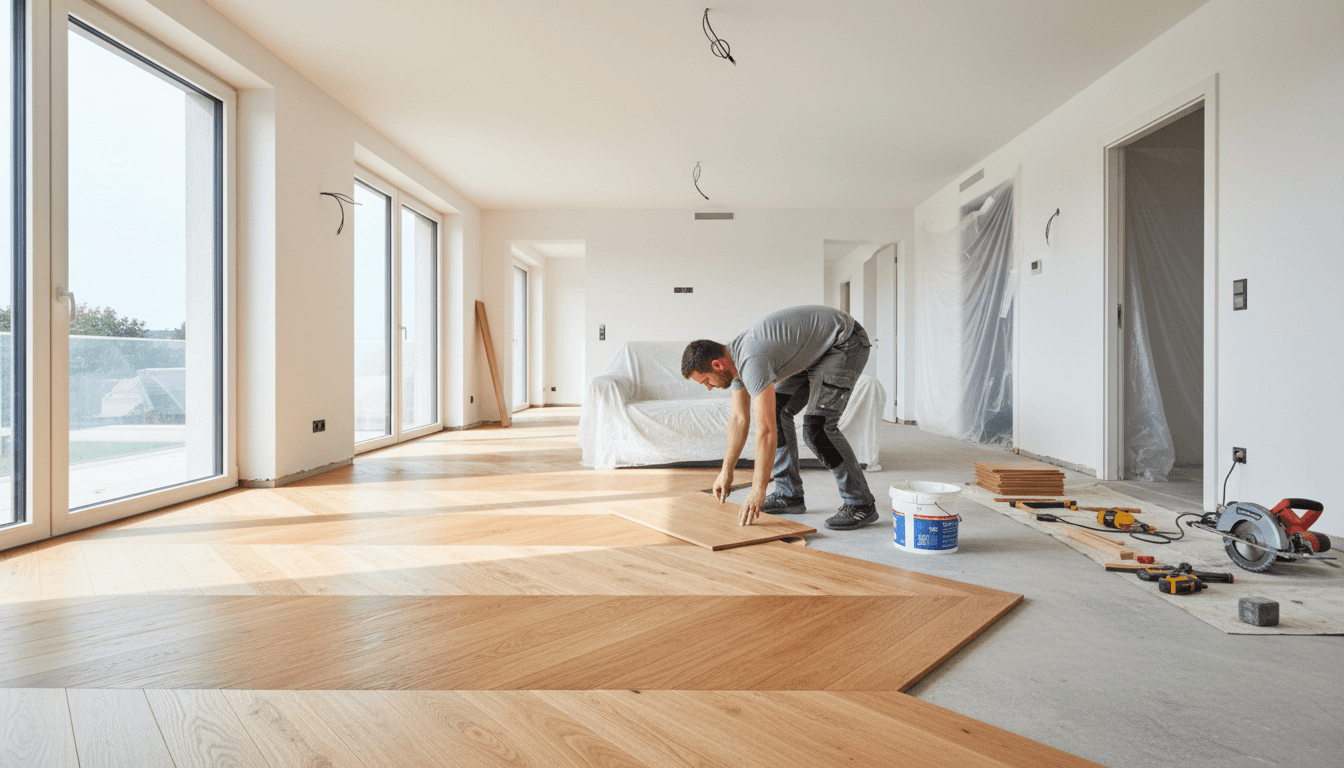
Selecting the best flooring for radiant heat is only half the battle; the startup phase determines the long-term success of the installation. At Anders Flooring, we utilize a strictly managed temperature ramping protocol. This process involves slowly increasing the floor temperature by no more than 5 degrees Fahrenheit per day after the installation is complete. Rapidly turning a radiant system to full power can shock materials, potentially causing adhesive failure in luxury vinyl or structural stress in engineered wood.
Effective project management is essential to synchronize the flooring installation with the heating system's operational schedule. Because Fillmore experiences extremely low humidity, our team prioritizes a thorough acclimation phase. We ensure materials are staged in the environment where they will be installed, allowing them to stabilize against the local dry air before the heat is introduced. Our professional installation services account for these variables, ensuring the heating system and the flooring function as a unified system.
Phase | Temperature Adjustment | Strategic Goal |
|---|---|---|
Post-Install (48-72 hrs) | System Off | Allow adhesives and mortar to cure fully |
Day 1 | Set to ambient (approx. 65°F) | Initial system activation |
Days 2-5 | Increase by 5°F daily | Gradual thermal expansion of materials |
Day 6+ | Reach target operating temp | Final stabilization at safe limits |
If you are coordinating a new build or a major renovation, contact our expert team to discuss the specific timing required for a safe system startup. This specialized knowledge of the Pahvant Valley climate is what sets about Anders Flooring apart from standard retail outlets.
Maintenance Tips for Heated Floors in Utah
Preserving the best flooring for radiant heat involves managing the specific atmospheric conditions found in Fillmore. Utah's high-desert winters are notoriously dry; radiant systems can further deplete moisture levels. To prevent engineered hardwood from shrinking or luxury vinyl from becoming brittle, utilize a humidifier to maintain indoor relative humidity between 30% and 50%.
Rug selection is equally critical for system health. Avoid thick rubber or foam backings that act as insulators, trapping heat against the floor surface and potentially damaging the finish or adhesive. Instead, choose "radiant-heat approved" rugs with breathable, natural fibers that allow for proper thermal transfer. If you have questions about specific cleaning agents or care protocols for your new surface, contact our expert team. Learning more about Anders Flooring and our commitment to durability will help you protect your investment, while our professional installation services provide the foundation for a long-lasting, high-performance heating system.
Choosing the right flooring material is the most important step in maximizing the efficiency of your radiant heating system. Whether you prioritize the thermal conductivity of stone or the classic appeal of engineered hardwood, the right surface will keep your home comfortable throughout the cold Utah winter. If you want expert help navigating these options and ensuring a flawless installation, you can learn more about our team and our commitment to quality. We are here to help you make the best choice for your home.