Selecting the right material involves matching underlayment properties like moisture resistance and sound dampening to specific surface types like laminate or vinyl. This flooring underlayment guide emphasizes that successful installation requires thorough subfloor preparation, including leveling, cleaning, and moisture testing to prevent future floor failure.
You have likely spent weeks selecting the perfect luxury vinyl plank or engineered hardwood to elevate your home, but the beauty of your new flooring is only as stable as the surface beneath it. Homeowners often overlook the subfloor, only to be met with hollow echoes, shifting planks, or persistent creaks just months after installation. At Anders Flooring, we know that a flawless finish begins long before the first plank is laid. This guide provides a comprehensive look at subfloor preparation and underlayment selection tailored for the unique Utah climate. You will discover how to identify the right materials for your specific flooring type, understand the critical role of moisture management, and learn the practical steps required to ensure your investment remains beautiful and structurally sound for decades to come.
Why Your Subfloor is the Most Important Part of Your New Floor
Homeowners often spend weeks selecting the perfect wood grain or tile pattern, yet the most critical factor in a floor's lifespan remains hidden from view. At Anders Flooring in Fillmore, we emphasize that a beautiful finish is only as good as the foundation beneath it. The subfloor and underlayment work together to prevent shifting, noise, and structural failure.
In Fillmore and throughout Central Utah, our climate presents unique challenges. The transition from parched, dry summers to heavy, snowy winters creates significant fluctuations in indoor humidity. These changes cause structural materials to expand and contract; therefore, subfloor stability is essential for preventing gaps or buckled planks.
To navigate this flooring underlayment guide, you must first distinguish between the two layers. The subfloor is the home's structural base, typically comprised of plywood, OSB, or a concrete slab. The underlayment is the specialized layer installed between that structural base and your finished floor. While the subfloor provides strength, the underlayment provides a smooth surface, moisture protection, and sound dampening. Investing in professional installation of high-quality flooring ensures these layers are properly assessed, protecting your investment from the ground up.
Essential Subfloor Preparation Steps for a Flawless Finish
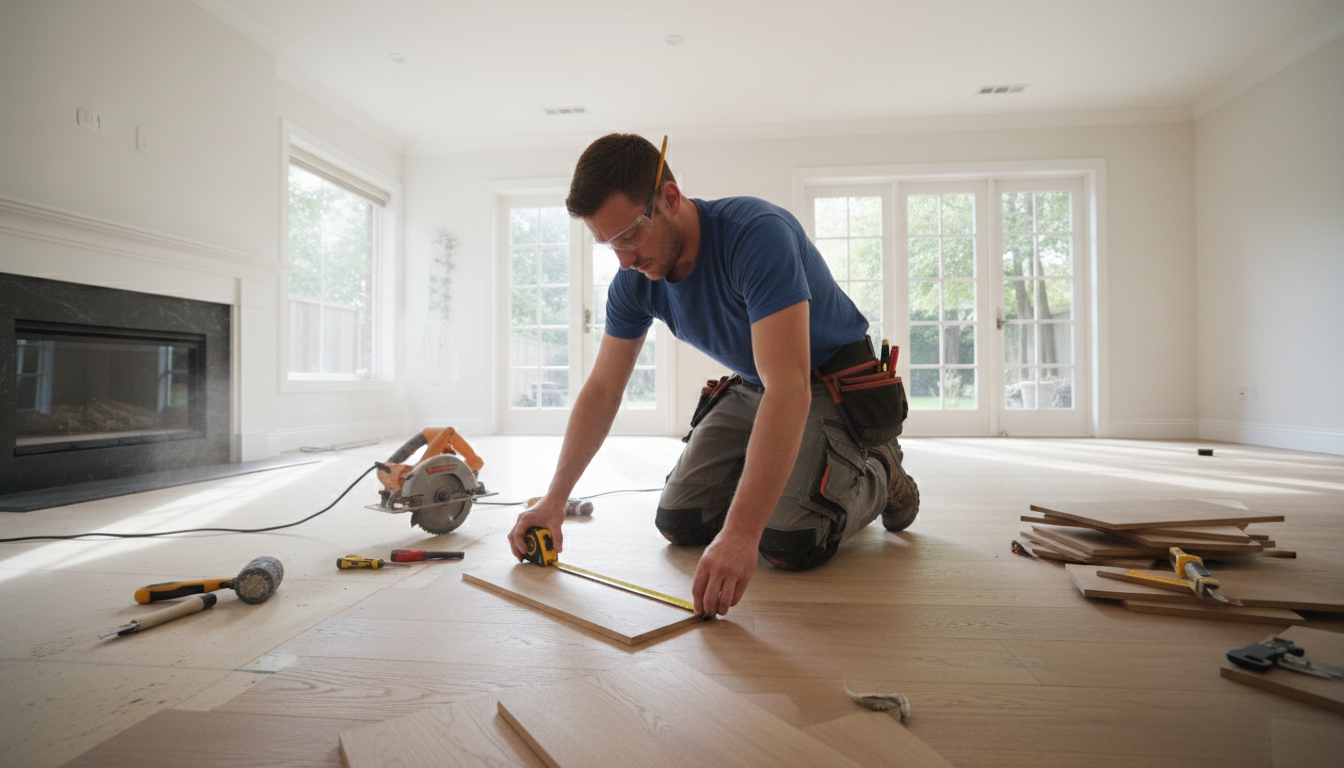
Achieving a flawless finish begins with three non-negotiable requirements: the subfloor must be clean, dry, and flat. While many homeowners use the terms interchangeably, there is a distinct difference between a subfloor being level and being flat. A level floor is perfectly horizontal to the horizon, which is ideal but not always possible in older Fillmore homes. However, a flat floor is free from local dips, peaks, or waves. Most manufacturers require a flatness tolerance of 3/16 inch over a 10-foot radius. If the subfloor deviates beyond this, your new planks may bounce, creak, or eventually suffer locking system failure.
To check for these variances, use a 10-foot straightedge or a professional-grade laser level. By sliding the straightedge across the room, you can identify "birdbaths," which are low dips, or high spots that need correction. If you find a significant dip, it must be filled with a cementitious patch or a self-leveling compound. High spots in wood must be sanded down, while high spots in concrete require grinding.
Preparation methods differ significantly based on your home's construction:
Subfloor Type | Key Preparation Steps |
|---|---|
Plywood / OSB | Inspect for loose screws or nails that cause squeaks; replace with flooring screws. Sand down swollen seams. Ensure the panels are properly spaced for expansion. |
Concrete Slab | Grind down high points. Patch structural cracks with an appropriate filler. Sweep and vacuum multiple times to ensure no grit remains. |
When working with wood subfloors, adding high-quality flooring screws to the joists can eliminate decades of annoying squeaks before the new material goes down. For concrete, ensuring the surface is free of old paint, oil, or adhesive is vital for the integrity of your installation. If you are unsure if your foundation meets these technical specs, you should contact our flooring experts for a professional assessment. This careful preparation ensures that the advice found in this flooring underlayment guide translates into a floor that feels solid underfoot for years.
Moisture Testing and Management in the Utah Climate
In Central Utah, the arid climate leads many to assume that interior moisture is a non-issue. However, for homes in Fillmore built on concrete slabs or with finished basements, ground moisture remains a constant variable. Moisture testing is mandatory for every professional installation because concrete is porous; it acts like a sponge, drawing water from the soil through capillary action. Failing to test before laying down material can lead to catastrophic floor failure.
We typically utilize two primary methods for assessment. Electronic moisture meters provide instantaneous readings by measuring electrical impedance, which is useful for identifying specific trouble spots. For a more comprehensive analysis required by most manufacturers, we perform a calcium chloride test. This involves placing a small dish of anhydrous calcium chloride under a sealed plastic cover for 60 to 72 hours to measure the moisture vapor emission rate.
Ignoring these readings is particularly dangerous when installing Luxury Vinyl Plank (LVP). While LVP is marketed as waterproof, that protection only applies to the surface. Moisture trapped between the concrete and the vinyl cannot evaporate; instead, it creates a breeding ground for mold and mildew. Over time, this vapor pressure can cause adhesive failure in glue-down applications or lead to buckling and joint degradation in floating floors.
Before beginning any project, you should contact our flooring experts to ensure your slab meets the necessary dry-weight requirements. Proper moisture management is a pillar of any reliable flooring underlayment guide, ensuring your new surface remains stable despite the seasonal shifts in Fillmore’s groundwater levels.
The Ultimate Flooring Underlayment Guide: Choosing the Right Material
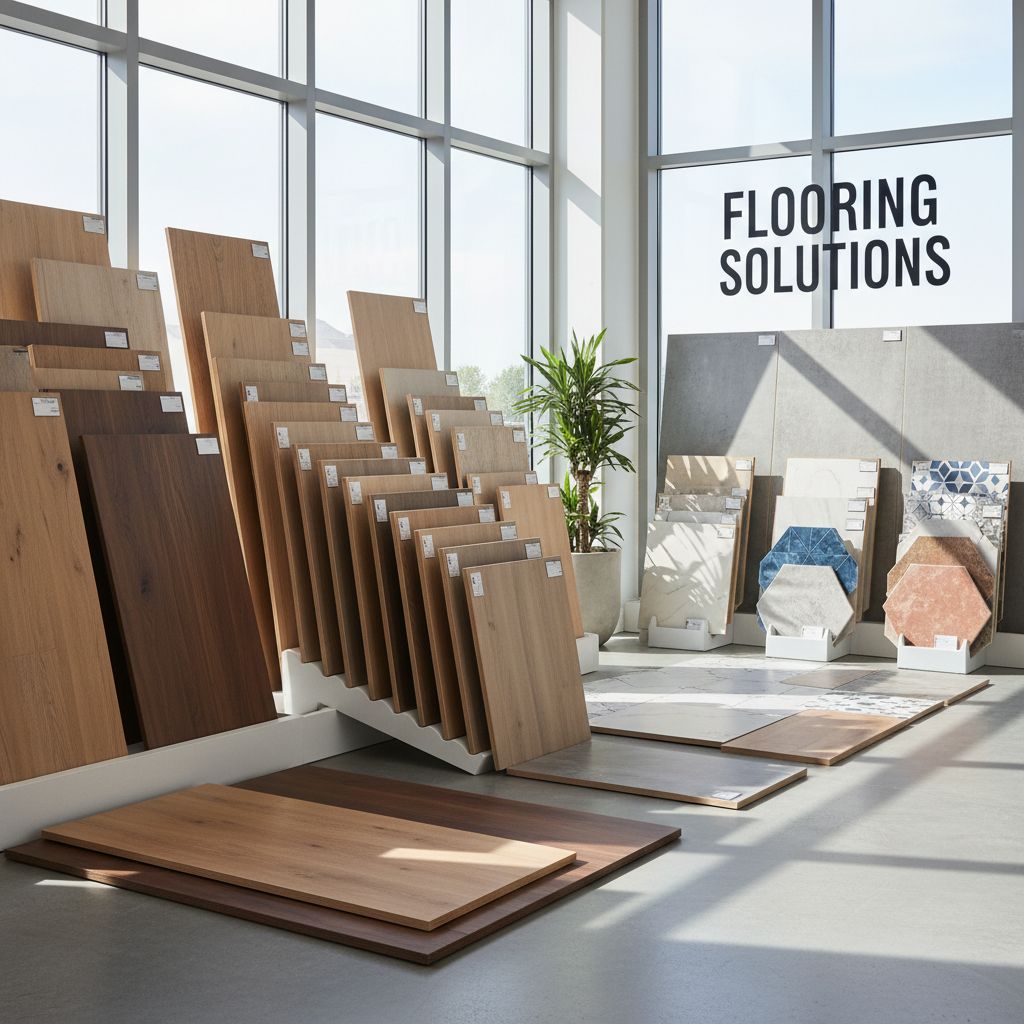
Once the subfloor is dry and flat, selecting the correct material is the next step in this flooring underlayment guide. The material you choose acts as the shock absorber for your home, providing comfort underfoot while protecting the locking mechanisms of your planks. In Fillmore, where winter temperatures drop significantly, thermal properties and R-values are often as important as sound dampening.
Standard Foam is the most budget-friendly option. It typically consists of a thin layer of polyethylene foam, providing basic cushioning and a modest moisture barrier. While suitable for guest rooms or low-traffic areas, it offers minimal sound reduction and can compress over time under heavy furniture, which may lead to joint stress in the finish floor.
Cork is a premium, eco-friendly choice that excels in thermal insulation. Because it contains millions of air-filled cells, it provides a high R-value, keeping floors significantly warmer during Central Utah winters. It is also naturally mold-resistant and offers superior sound dampening; this makes it the ideal choice for second-story bedrooms where foot traffic noise needs to be minimized.
Felt underlayment is usually manufactured from recycled fibers. It is much denser than foam, which helps it absorb sound rather than reflecting it. This creates a solid walking sound that closely mimics the feel of traditional hardwood. It is an excellent heavy-duty choice for high-traffic residential areas like hallways and living rooms.
Rubber underlayment provides maximum density and durability. It is the preferred choice for commercial spaces or installations over radiant heat systems, as it remains stable under temperature fluctuations and effectively transfers heat without degrading or off-gassing.
Underlayment Type | Primary Benefit | Best Application |
|---|---|---|
Standard Foam | Cost-effective | Low-traffic guest rooms |
Cork | Thermal insulation (R-value) | Second floors, cold basements |
Felt | Sound absorption | High-traffic living areas |
Rubber | Heat stability and density | Radiant heat, commercial |
Selecting the right material requires balancing your budget with the specific needs of the room. For instance, if you are installing over a radiant heating system, you must ensure the product is specifically rated for high temperatures to avoid adhesive failure. If you need assistance navigating these technical specifications, contact our flooring experts to determine which material best suits your project. Proper selection ensures your professional installation of high-quality flooring performs as intended for decades.
Laminate and LVP Underlayment: Do You Always Need It?
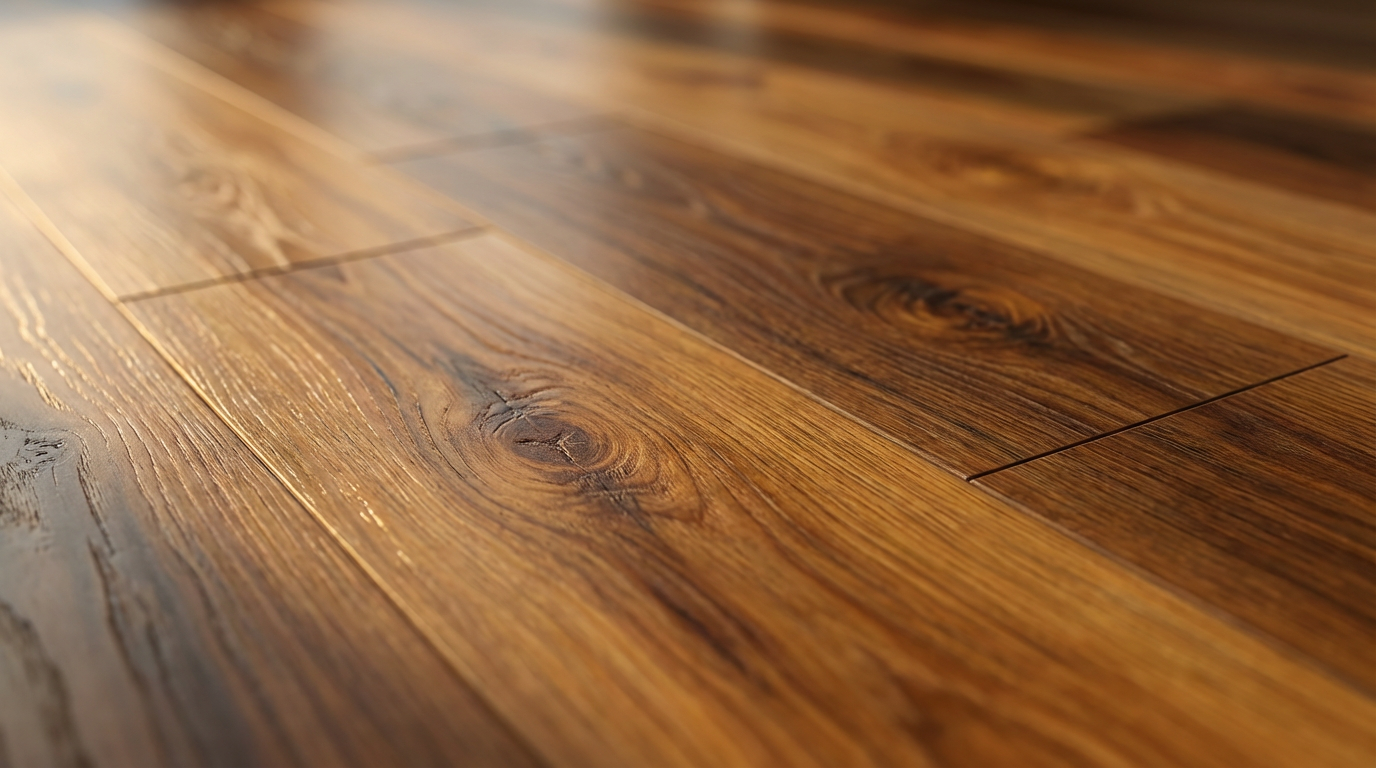
Modern flooring technology has simplified the process by integrating the pad directly into the plank. If you examine the back of a luxury vinyl plank (LVP) or a high-end laminate, you will likely see a gray foam, cork, or black rubberized layer already attached. A frequent question we receive at Anders Flooring involves whether adding a second layer of cushion will enhance comfort.
In reality, adding extra padding under planks with pre-attached underlayment is often a costly mistake. Flooring locking systems are engineered for a specific, limited amount of vertical deflection. When you double up on padding, you create a surface that is too soft. As you walk across the floor, the planks sink deeper into the underlayment, putting immense stress on the thin tongues and grooves. This excessive movement eventually causes the locking mechanisms to snap, leading to separated joints and clicking sounds. Furthermore, most manufacturers explicitly state in their installation manuals that using additional padding will void the product warranty.
However, there is a critical exception in our Central Utah climate. While a pre-attached pad provides sound dampening and cushion, it is rarely a waterproof vapor barrier. For slab-on-grade homes in Fillmore, you must still install a 6-mil polyethylene film over the concrete before laying down the flooring. This thin plastic layer does not provide extra cushion, so it will not compromise the locking system, but it is essential for blocking ground moisture. For those seeking the best results, professional installation of high-quality flooring ensures these technical nuances are handled correctly. If you are unsure if your specific product requires a separate barrier, you should contact our flooring experts to review the manufacturer’s requirements for this flooring underlayment guide.
Common Mistakes in Subfloor Prep and Underlayment Installation
Even with the right materials, installation errors can undermine the entire project. One frequent pitfall is neglecting to remove old adhesive from previous flooring. Dried glue or residual thinset creates high points that prevent the new underlayment from sitting flush, which eventually causes premature wear on your planks. Similarly, ignoring minor dips may seem inconsequential during the layout, but these gaps result in hollow sounds and vertical movement every time you step on the floor. This flooring underlayment guide emphasizes that even a 1/8 inch deviation can lead to structural noise.
Choosing the wrong fasteners is another common oversight. When homeowners ask, "Should underlayment be screwed or nailed?" the answer depends on the structural base, but we generally recommend screws for wood subfloors. Nails are prone to backing out as the wood cycles through Fillmore’s seasonal humidity changes, which is the primary cause of floor squeaks. Using high-quality flooring screws ensures the subfloor remains tightly bound to the joists, preventing the friction that causes noise.
Finally, skipping the acclimation process is a recipe for failure in Central Utah. Our local humidity levels are significantly lower than national averages. Both the flooring and the underlayment material must reach equilibrium with your home’s environment before they are secured. Rushing this step leads to planks shrinking or expanding after they are locked in place, potentially causing gaps or buckling. If you want to avoid these technical errors, investing in professional installation of high-quality flooring is the most reliable way to guarantee a long-lasting result. For specific questions regarding your site’s conditions, contact our flooring experts for an on-site evaluation.
Frequently Asked Questions about Underlayment and Subfloors
To close out this flooring underlayment guide, we have compiled answers to the questions we hear most frequently at our Fillmore showroom.
Can I put flooring directly on the subfloor? While you can technically install certain thick, nail-down hardwoods directly over a clean wood subfloor, we rarely advise it for modern materials. Floating floors like laminate or LVP require a buffer to protect against friction and small imperfections. Installing without an appropriate layer leads to premature wear, increased noise, and a loss of warranty protection. For concrete slabs, skipping the moisture barrier component almost guarantees eventual adhesive or joint failure.
Should I use 5/8 or 3/4 plywood for subfloor? For residential projects in Central Utah, 3/4 inch tongue-and-groove plywood is the industry gold standard. While 5/8 inch meets many minimum building codes, it often lacks the rigidity needed to prevent deflection, or "bounce," especially under heavy furniture. A 3/4 inch base provides a much more stable foundation for the professional installation of high-quality flooring.
Is cork better than foam? Performance-wise, cork is superior in terms of longevity and insulation. It provides significantly better thermal resistance, which is vital during cold Fillmore winters, and it does not compress as easily as foam over time. While foam is more budget-friendly, cork is the preferred choice for sound reduction and eco-friendliness. If you have specific questions about your home's foundation, contact our flooring experts for a detailed consultation.
Achieving a flawless floor starts with the work you do underneath the surface. By prioritizing subfloor preparation and selecting the right underlayment for the local climate, you ensure your investment lasts for many years. If you find these technical steps a bit daunting, remember that professional support is always available to ensure everything is handled correctly. To see how we can assist, feel free to visit our About page to learn more about our team and our professional installation standards.