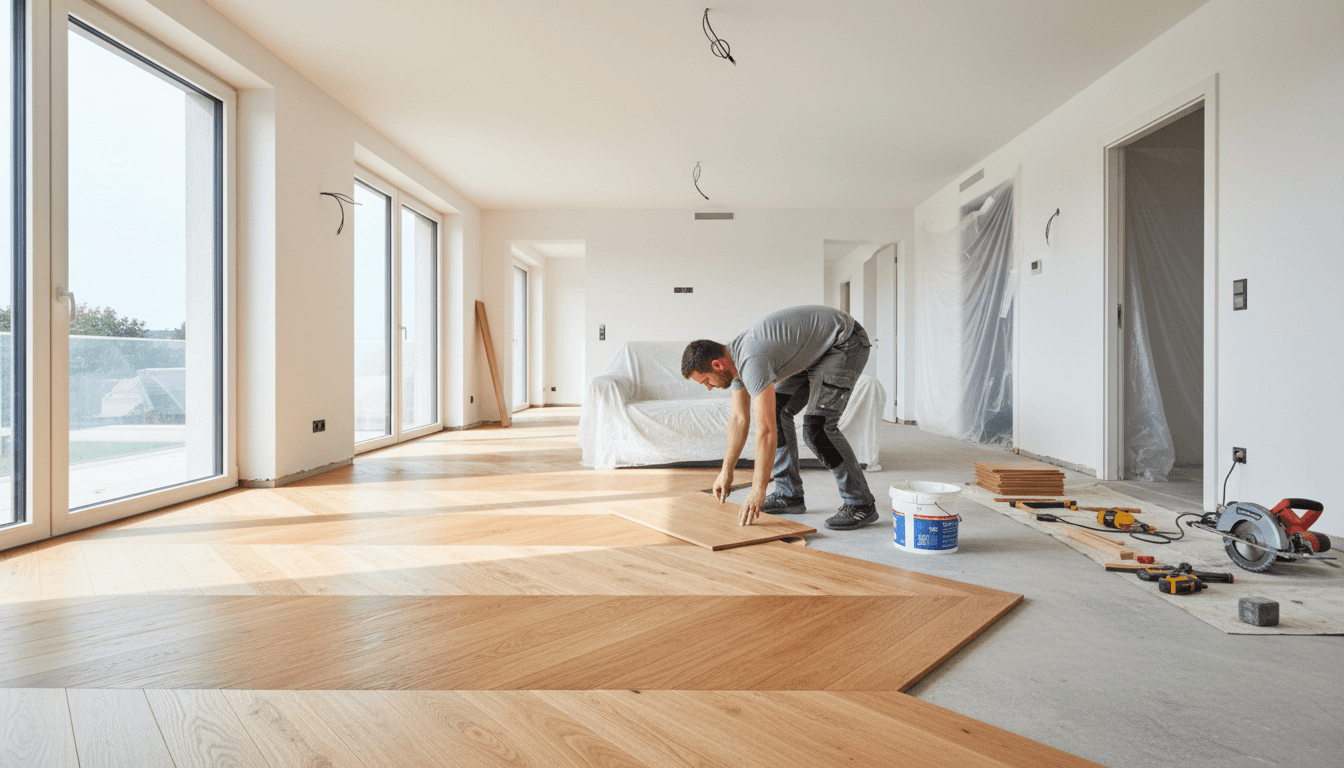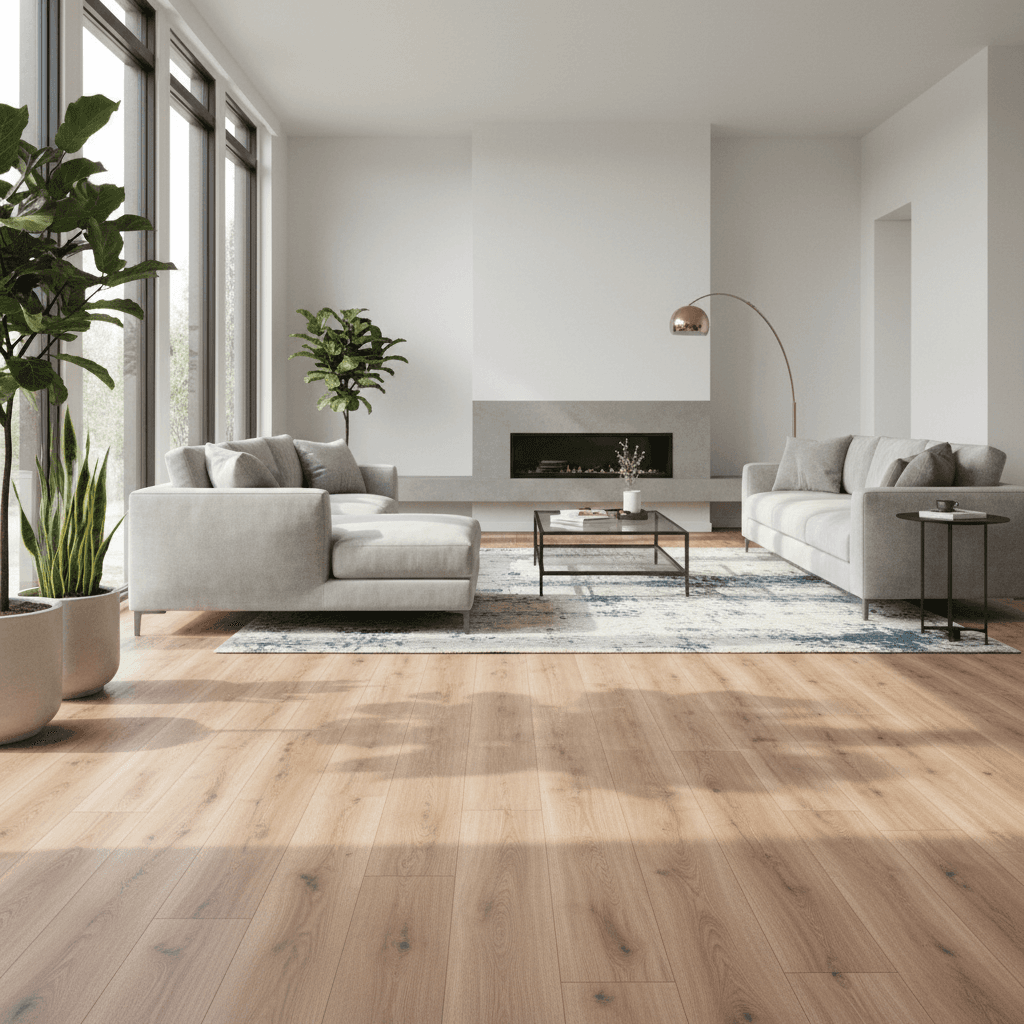
Homeowners can protect floors Utah seasonal weather by maintaining consistent indoor humidity levels with a humidifier to prevent wood from shrinking or cracking during dry winters. Regular cleaning with a pH-neutral solution and wiping up salt or moisture immediately helps preserve the finish against extreme temperature shifts. These practices ensure durability and prevent long-term damage caused by the region's unique climate fluctuations.
Utah homeowners understand the unique struggle of maintaining a beautiful interior against the backdrop of a high desert climate. From the corrosive road salt and heavy slush of a Wasatch winter to the relentless UV exposure and dry heat of mid July, your flooring is constantly under siege by the elements. Ignoring these environmental shifts can lead to costly warping, gaps, or premature wear that diminishes the value of your home. At Anders Flooring, we believe that true floor longevity begins with a deep understanding of how local weather patterns interact with specific materials. In this guide, we will explore practical strategies for managing seasonal hazards, debunk common maintenance myths, and explain why professional acclimation is the single most important factor in protecting your investment. By the end, you will have a clear roadmap to keep your floors pristine through every extreme Utah season.
The Challenge: Why Utah’s High Desert Climate Impacts Your Flooring
Living in Fillmore or across Millard County means dealing with a high desert climate that is particularly demanding on interior finishes. Our local environment experiences dramatic shifts in atmospheric moisture that many homeowners overlook until physical changes appear in their floorboards. During a typical Utah winter, indoor relative humidity can plummet to 15 percent, while summer peaks or monsoon cycles can push those levels to 45 percent or higher.
This volatility triggers a constant cycle of expansion and contraction within your home. Because organic materials like hardwood are hygroscopic, they act like a sponge; they absorb moisture during humid months and release it when the furnace turns on. When you protect floors Utah seasonal weather patterns by managing these shifts, you prevent the cellular structure of the wood from underdoing undue stress. Without proper environmental control and professional installation of high-quality flooring, these movements often lead to structural issues such as cupping, crowning, or significant gapping between planks.
Understanding these environmental pressures is the first step to ensuring your home's superior craftsmanship remains intact. As the seasons shift, your approach to floor care must adapt to these physics-based changes to prevent permanent damage to your investment. The way your floors behave in January is vastly different from how they respond in July, requiring a specialized maintenance strategy for each extreme.
Winter Care: Managing Dry Air and Winter Hazards
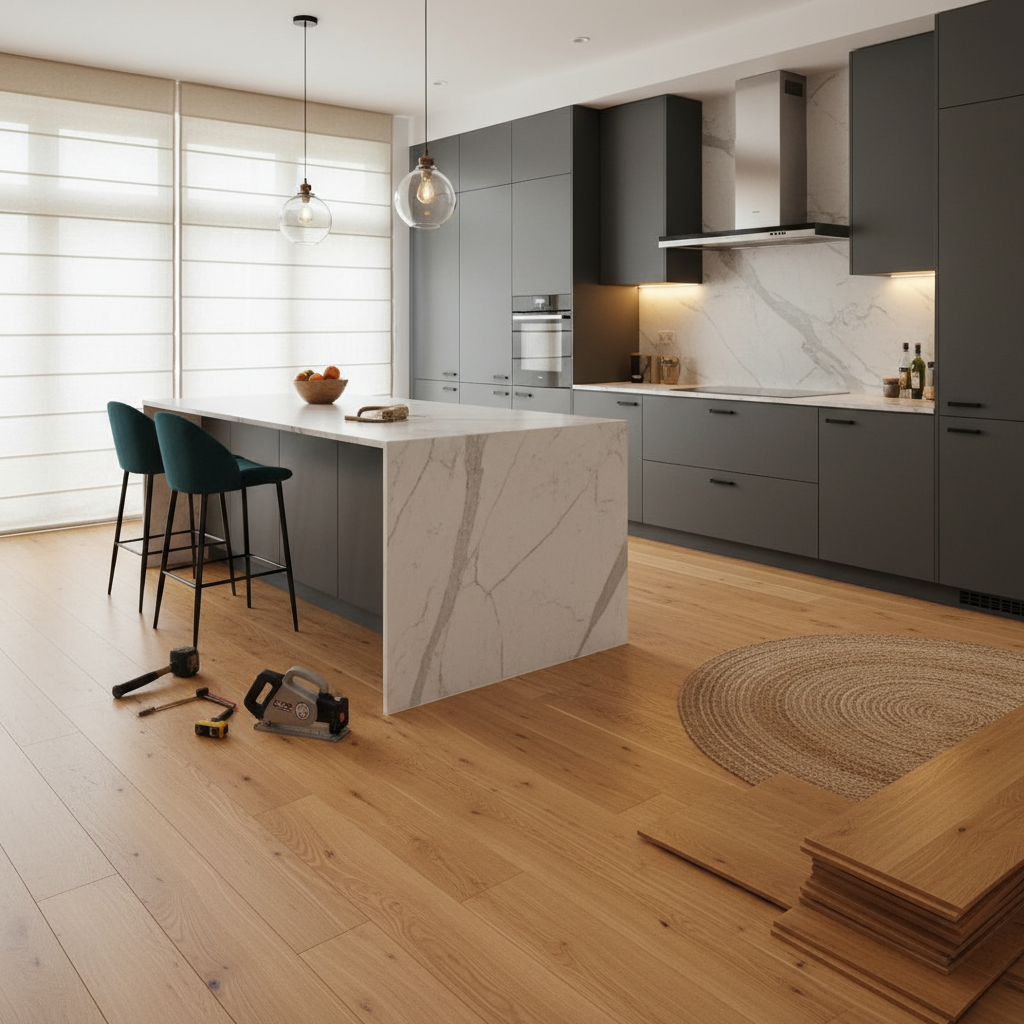
Winter in Fillmore brings two primary adversaries to your home's interior: extreme dry air and the corrosive debris tracked in from the driveway. As temperatures drop, the moisture in the air evaporates, causing organic materials to lose their structural volume. We recommend that homeowners maintain a consistent indoor relative humidity level between 30 and 50 percent. Using a whole-home humidifier or strategically placed room humidifiers prevents hardwood from developing unsightly gaps or the irritating creaks that occur when dry planks rub against one another. If the humidity drops below 30 percent, the wood fibers can actually crack or splinter, leading to permanent structural damage that no amount of summer humidity can fully repair.
Physical damage often comes from what you bring in on your boots. Road salt and ice melt are essentially industrial abrasives. These crystals are designed to chemically break down ice, but they are equally effective at stripping the protective finish off your boards or scratching the wear layer of your vinyl. To mitigate this, we advocate for the Rule of 3 at every entrance to your home.
Layer | Function | Purpose |
|---|---|---|
1. Scraper Mat | Exterior Placement | Removes heavy snow and large salt chunks before entry. |
2. Absorbent Rug | Interior Placement | Traps moisture and fine grit that bypasses the outer mat. |
3. Removal Zone | Boot Tray/Bench | Ensures salt-laden footwear does not travel into living areas. |
By implementing these layers of defense, you actively protect floors Utah seasonal weather patterns might otherwise degrade. This proactive stance ensures that the superior craftsmanship of your installation remains visible rather than buried under scratches or white salt stains. If you notice persistent gapping despite humidity control, it may be time to contact our flooring experts to evaluate the structural integrity of your floor's current state. Managing these winter threats ensures your floor remains stable until the focus shifts from moisture loss to the intense heat and light of the coming months.
Summer Protection: Defending Against Intense UV Rays and Heat
As the snow melts and the Millard County sun intensifies, the primary threat to your interior surfaces shifts from moisture loss to solar radiation and thermal expansion. In the high desert of Fillmore, the atmosphere is thinner, meaning ultraviolet (UV) rays are significantly more potent than at sea level. This intense solar exposure leads to photo-oxidation, a chemical process that causes hardwood to lose its natural luster and fade or darken, depending on the species. Even high-quality vinyl products can experience fading or brittleness if exposed to direct, unfiltered sunlight for several hours each day.
Temperature regulation is equally critical for maintaining structural integrity. While luxury vinyl planks are valued for their durability, they are susceptible to thermal expansion. When direct sunlight hits a specific area of the floor, the surface temperature can skyrocket well above the ambient room temperature. This localized heat causes the planks to expand rapidly, which may result in buckling or "doming," where the joints of the floor push upward because they have nowhere else to go.
To effectively protect floors Utah seasonal weather shifts bring, we recommend a two pronged approach to heat management:
Strategy | Action Item | Purpose |
|---|---|---|
Solar Blocking | Install UV-rated window films or cellular shades | Blocks up to 99% of UV rays to prevent wood and vinyl fading. |
Climate Control | Maintain HVAC at or below 80°F during unoccupied hours | Prevents the core temperature of flooring materials from reaching expansion limits. |
Furniture Rotation | Periodically move area rugs and large furniture | Ensures even aging and prevents "ghosting" patterns on hardwood finishes. |
Maintaining a stable indoor environment, even when you are away for the weekend, ensures that the superior craftsmanship of your installation is not compromised by the afternoon sun. If you notice planks beginning to lift near large south facing windows, contact our flooring experts to discuss solar mitigation or potential repair options before the heat causes permanent deformation.
Hardwood vs. LVP: How Different Materials React to Seasonal Changes
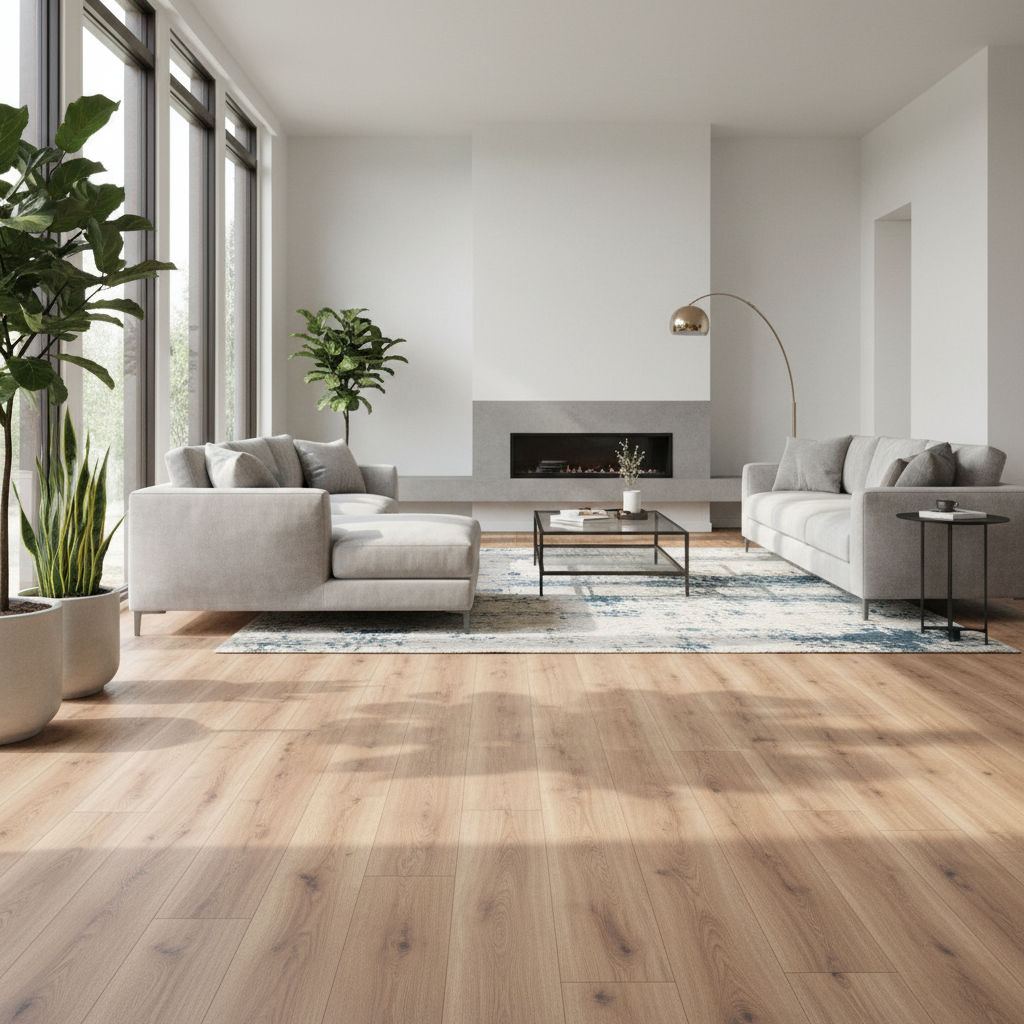
The physical properties of your flooring dictate how it survives Millard County’s volatility. While every material we offer at Anders Flooring is selected for its durability, hardwood, luxury vinyl plank (LVP), and laminate each possess distinct tolerances for moisture and temperature shifts. Understanding these differences helps you set realistic expectations for your home as the seasons change.
Solid hardwood is a hygroscopic material, meaning it is constantly exchanging moisture with the air. In the depths of a Fillmore winter, it is perfectly normal to see small, hairline gaps between your planks. This is not a sign of failure; it is the wood "breathing" as it sheds moisture. While these gaps generally close when humidity returns in the spring, you can minimize the severity of this movement through consistent climate control and by choosing species with higher stability ratings. This is why professional installation of high-quality flooring is vital, as an expert installer calculates the necessary spacing based on the current season.
In contrast, LVP and laminate offer superior dimensional stability compared to solid wood. However, they are not immune to physics. Both materials require perimeter expansion gaps, typically hidden under baseboards or shoe molding, to allow the entire floor to shift as a single unit. LVP is particularly stable regarding moisture but can expand when exposed to high temperatures.
Material | Response to Dry Air | Response to Moisture/Snow | Primary Stability Concern |
|---|---|---|---|
Solid Hardwood | Significant contraction (gapping) | High risk of cupping | Humidity fluctuations |
Luxury Vinyl (LVP) | Negligible change | Waterproof/Impervious | Extreme heat expansion |
Laminate | Minimal movement | High risk of edge swelling | Standing water/Melted snow |
When considering laminate flooring maintenance, remember that while it resists gapping better than hardwood, its wood-fiber core is highly sensitive to topical moisture. If snow melts off boots and sits on a laminate surface, it can seep into the joints and cause the edges to swell permanently. This makes laminate slightly more demanding than vinyl during the winter months. By choosing the right material for your lifestyle, you ensure the superior craftsmanship of your home remains a source of pride regardless of the forecast. To find the best fit for your specific space, you can contact our flooring experts for a detailed assessment.
Maintenance Myths: What Not to Do to Your Utah Floors
Internet trends often promote maintenance shortcuts that inadvertently damage your investment. One of the most common mistakes we see in Fillmore homes is the use of Dawn dish soap or steam mops on luxury vinyl plank. While dish soap is excellent for grease, it contains surfactants that leave a dulling film and can slowly degrade the wear layer of your floor. Even more damaging are steam mops; the intense heat and pressurized moisture can dissolve the adhesives holding your planks in place or cause the core to swell and delaminate.
Avoid "mop and shine" products sold in big-box stores. These formulas rely on acrylics or waxes to create a temporary gloss. Over time, these layers build up, trapping dirt and creating a cloudy, streaked appearance that is difficult to remove without professional intervention. Instead, use a pH-neutral cleaner specifically formulated for your material. These cleaners break down surface tension to lift grime without reacting chemically with the finish.
Product/Method | Risk to Floor | Professional Recommendation |
|---|---|---|
Steam Mops | Delamination & adhesive failure | Microfiber damp mop only |
Dish Soap | Dulling residue & film buildup | pH-neutral floor cleaner |
Mop & Shine | Permanent wax accumulation | Material-specific maintenance spray |
Excessive Water | Joint swelling & mold growth | Spray-and-wipe technique |
Homeowners often ask why their floors take an unusually long time to dry after a routine cleaning. In our region, this is typically caused by over-saturation or local spikes in indoor humidity. If you apply too much liquid, it settles into the textures of the wood or vinyl. To fix this, use a microfiber damp-mop method rather than a soaking wet mop; always ensure proper airflow by running a ceiling fan or HVAC system during and after cleaning. Taking these steps is essential to protect floors Utah seasonal weather might already be stressing. If your floor finish appears permanently compromised by past cleaning errors, contact our flooring experts to discuss restoration or replacement options that reflect superior craftsmanship.
The Secret to Longevity: Professional Acclimation and Installation
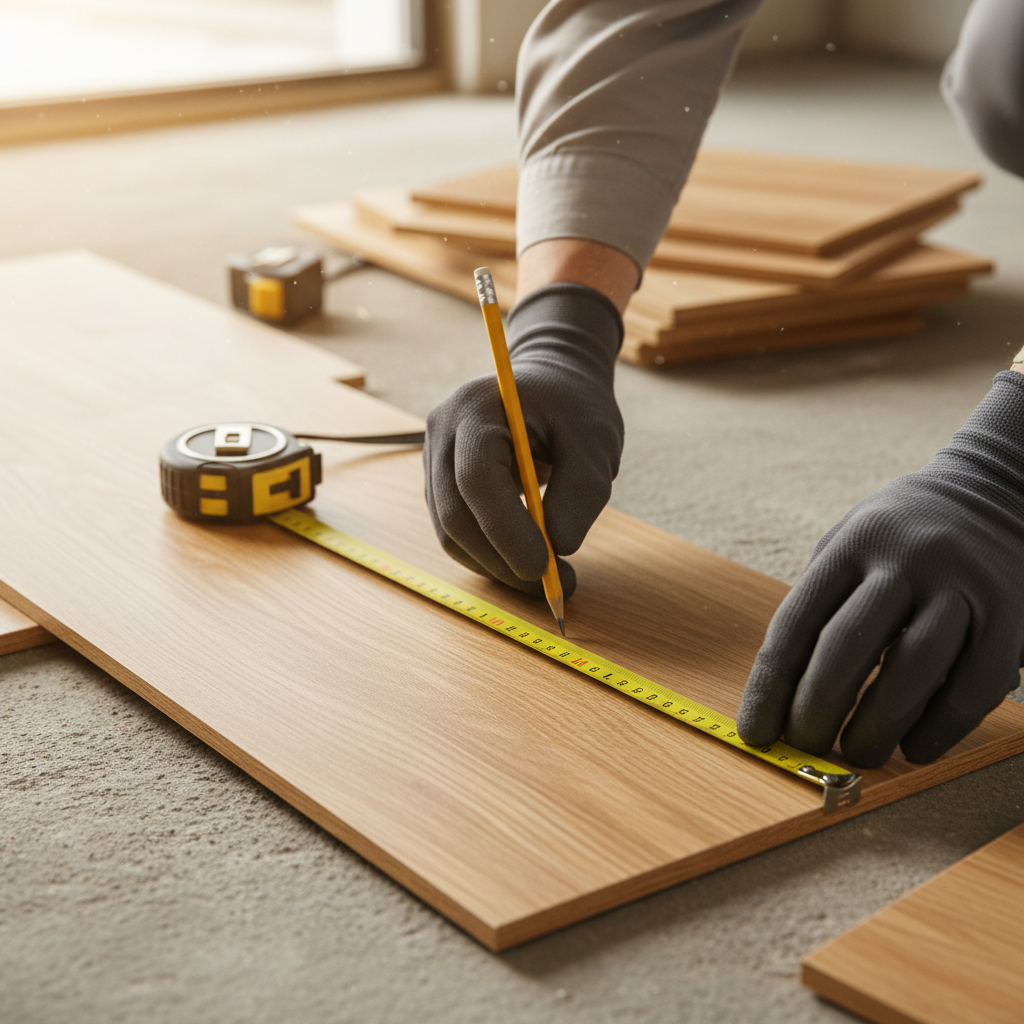
At Anders Flooring, we know that the ability to protect floors Utah seasonal weather brings starts well before the first nail is driven or the first plank is clicked into place. In the arid climate of Millard County, the most critical phase of any project is acclimation. This involves placing the flooring materials inside the room where they will be installed for a minimum of 48 to 72 hours. This period allows the material to reach a moisture equilibrium with your home's unique environment, ensuring the planks have already completed their initial adjustment to local humidity levels.
Skipping this technical step is the primary cause of floor failure in Utah's dry climate. When materials are moved from a warehouse and installed immediately, they will inevitably shrink or expand as they react to the high desert air, leading to buckling, separated joints, or structural instability. Choosing a professional installation of high-quality flooring ensures that these essential protocols are followed with precision. Our team evaluates subfloor moisture and calculates exact expansion gaps based on the current season. This superior craftsmanship acts as the ultimate defense against the inevitable shifting of our local climate. To ensure your next flooring project is built for long term stability, contact our flooring experts to schedule a professional assessment.
Managing Utah’s extreme weather requires a combination of smart habits and quality materials. By controlling moisture and heat, you can keep your surfaces looking new for years. If you want expert help choosing the most durable options for your home, our team can provide guidance tailored to the local climate. You can learn more About our approach to craftsmanship and our history of serving local homeowners. We are happy to help you find the perfect balance between style and seasonal protection.