Deciding whether to refinish or replace hardwood floors depends on the severity of the damage; refinishing is typically the most cost-effective choice for surface scratches and minor wear. Replacement is necessary if the floor exhibits structural instability, severe water damage, or has been sanded down so many times that the wood is too thin to be restored. Generally, if more than thirty percent of the flooring is damaged, a full replacement provides a more durable and long-lasting solution.
Walking across your once-pristine hardwood floors only to notice deep gouges, greyish wear patterns, or a dull finish can be discouraging. You are likely wondering if a professional sanding will restore that original luster or if the structural integrity of the wood has finally met its end. This decision involves more than just aesthetics. It is a significant financial commitment that affects your home’s long-term value. At Anders Flooring, we understand that Utah’s unique climate plays a major role in how wood ages and reacts to treatments. In this guide, we will examine the specific signs that dictate whether you should opt for a meticulous refinish or a complete replacement. We will also cover local cost expectations in Fillmore and the logistical realities of managing these projects so you can make an informed choice for your property.
The Hardwood Dilemma: Evaluating Your Utah Home Floors
Utah homeowners often find themselves at a crossroads when their once-stunning wood floors start to look dull and worn. In Fillmore and throughout Millard County, our unique environmental factors accelerate this process. The extreme temperature swings between our high-desert summers and freezing winters, coupled with persistently low indoor humidity, can cause wood to age prematurely. Over time, these conditions lead to excessive shrinking and expansion, which may manifest as surface-level cracks or deep structural issues.
Deciding whether to refinish or replace hardwood floors requires a clear understanding of the difference between aesthetic wear and terminal damage. While hardwood is prized for its longevity, it is not invincible. Superficial scratches and faded stains often suggest a simple restoration is possible. However, if the integrity of the planks is compromised, a professional installation of high-quality flooring becomes the more practical long-term solution.
Evaluating your floors involves looking past the surface to determine if the wood still has the thickness and stability to withstand another round of sanding. At Anders Flooring, we see how the Utah climate tests these materials every day, making a thorough assessment the first step in protecting your home investment.
When Refinishing Is the Best Path Forward
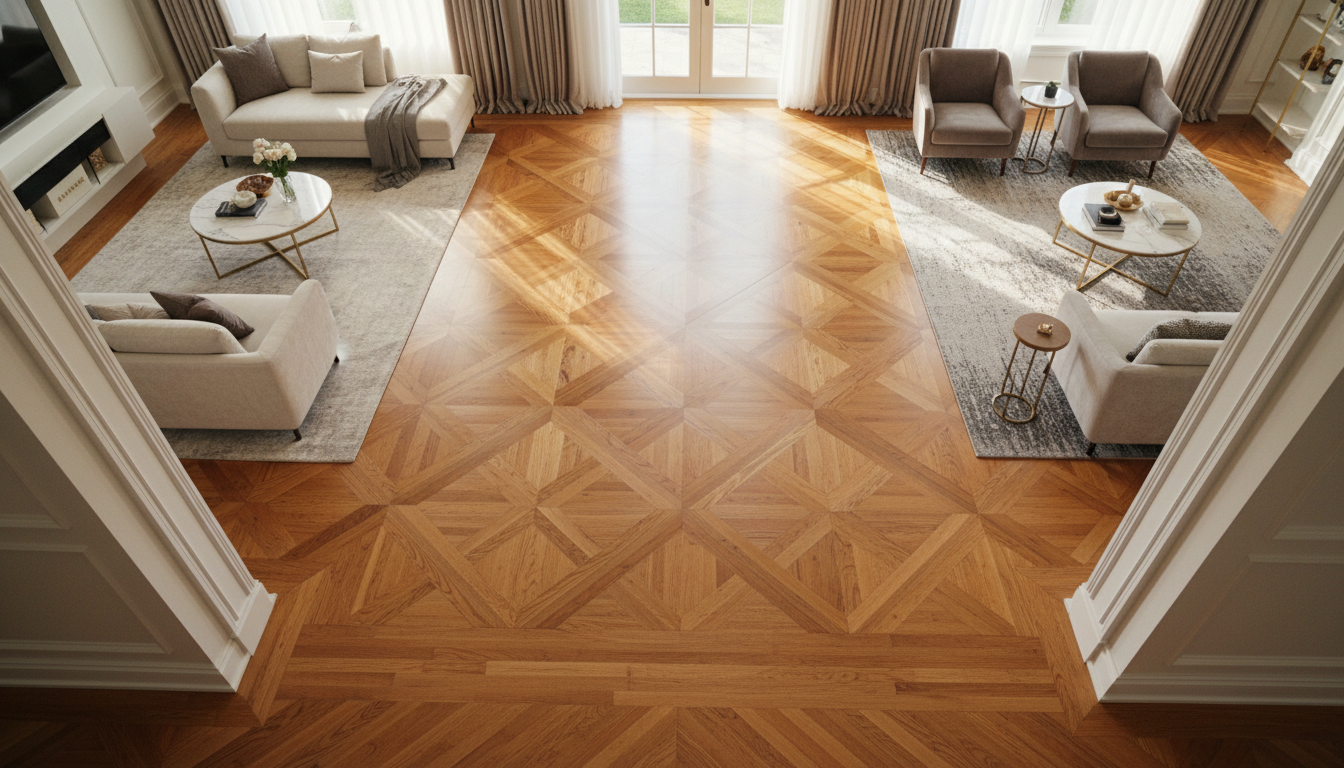
Refinishing serves as a restorative process that preserves the original character of your home while removing years of accumulated wear. The procedure involves sanding away the existing polyurethane or wax and a microscopic layer of the wood itself, followed by the application of a new stain and a protective topcoat. This path is ideal when the damage is primarily aesthetic. You should look for surface-level scratches, minor discoloration from sun exposure, or a finish that has simply grown dull and lost its luster under the weight of daily foot traffic.
Choosing to refinish is highly cost-effective, typically costing only a fraction of what a full tear-out and installation would require. However, professional evaluation is necessary to determine if the wood retains enough physical integrity for the equipment. We often apply the Rule of 3 to these projects; if less than 30 percent of the floor area suffers from deep gouges or structural issues, refinishing is usually the superior choice. If the damage exceeds that 30 percent threshold, the labor required to patch and blend disparate sections may outweigh the savings of restoration.
Feature | Solid Hardwood | Engineered Hardwood |
|---|---|---|
Sanding Capacity | Can be sanded 7 to 10 times | Limited to 1 or 2 sandings |
Construction | 100% natural wood throughout | Real wood veneer over a plywood core |
Refinishing Suitability | Excellent for multiple restorations | Dependent on the thickness of the wear layer |
The material type significantly dictates your options. Solid wood planks provide a thick enough profile to handle multiple sandings over several decades. In contrast, engineered wood features a real wood veneer atop a plywood base. If that top wear layer is too thin, sanding could reveal the core material, rendering the floor unusable. When you contact Anders Flooring for an assessment, we measure the remaining wood thickness to ensure a successful outcome. You can learn more about our craftsmanship and how we handle delicate engineered surfaces to avoid over-sanding.
Tell-Tale Signs Your Hardwood Floors Need Total Replacement
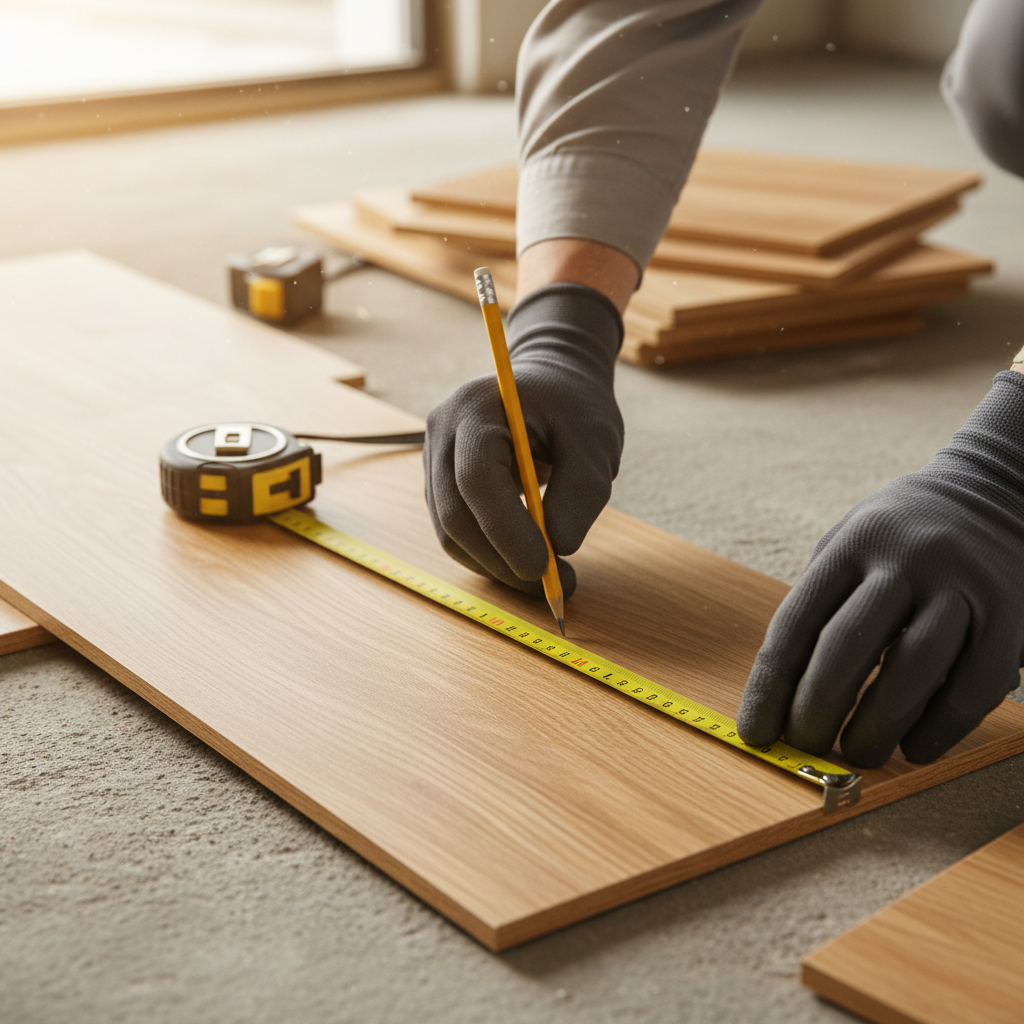
While restoration is a powerful tool, certain conditions signal that the wood has reached the end of its functional life. One of the most critical indicators is structural instability. If your floors feel bouncy, soft, or show visible sagging, the issue likely lies in the subfloor or the attachment points. Sanding cannot fix a compromised foundation. In these cases, a professional installation of high-quality flooring is necessary to ensure the safety and longevity of the surface.
Severe water damage also dictates a full tear-out. While minor cupping can sometimes be sanded flat, extreme moisture exposure often causes boards to crown or warp so significantly that the wood fibers are permanently crushed. If the planks have pulled away from the subfloor or the moisture has triggered mold growth, refinishing will only mask a growing problem. Similarly, persistent odors from pet accidents or dampness often permeate the entire thickness of the wood and the padding beneath. Only total replacement can truly eliminate these smells.
Physical thickness is the final limiting factor for any wood floor. Hardwood planks rely on the wear layer located above the tongue and groove joints. If previous homeowners have sanded the floors multiple times, you might see nail heads or the top of the tongue becoming visible through the surface. At this point, the wood is too thin to support the weight of a commercial sander without splintering or breaking.
Indicator | Condition for Replacement |
|---|---|
Structural | Bouncing, sagging, or significant movement when walking. |
Water Damage | Permanent crowning or cupping that exceeds 30% of the floor area. |
Wear Layer | Exposed tongues, grooves, or floor nails due to over-sanding. |
Hygiene | Deep-seated pet urine odors or mold spores in the subfloor. |
Separation | Gaps wider than a nickel that do not close during humid months. |
Homeowners should also consider replacement if their goals are purely aesthetic. If you wish to transition from a narrow 2.25 inch strip to a modern wide-plank look, or if you want to change the wood species entirely, starting fresh is the only route. When you reach the point where you must decide whether to refinish or replace hardwood floors, recognizing these terminal signs saves time and prevents the wasted expense of a failed restoration attempt.
The Utah Factor: How Our Local Climate Influences Your Choice
Living in Millard County means your home exists in a high-altitude, semi-arid environment that behaves very differently than coastal or humid regions. The most common issue we see in Fillmore is significant gapping during the winter months. As indoor humidity drops due to heating systems, solid hardwood planks lose moisture and shrink. If you decide to refinish or replace hardwood floors during these peak dry periods without professional guidance, you risk a finished product that looks uneven once the spring thaw returns and the wood expands.
A local expert understands the critical nature of acclimatization. When we bring new material into a home, it must sit in the specific environment to reach an equilibrium moisture content before a single nail is driven. Skipping this step leads to planks that buckle or pull apart shortly after installation. If your current floors show gaps wider than a nickel that never fully close in the summer, the wood fibers may be permanently set. In these cases, the professional installation of high-quality flooring that utilizes modern technology is often the smarter investment.
For many Utah homeowners, the decision to replace provides an opportunity to choose materials better suited for our climate. Engineered hardwood, with its cross-grain plywood base, resists the extreme expansion and contraction cycles of the Great Basin far better than solid wood. Similarly, high-end Luxury Vinyl Plank (LVP) offers a completely waterproof and dimensionally stable alternative that ignores humidity swings entirely. If you are unsure how your home’s micro-climate is affecting your surfaces, contact Anders Flooring for a site-specific evaluation of your wood's moisture levels.
Cost Analysis: Comparing Refinishing vs. Full Replacement in Fillmore
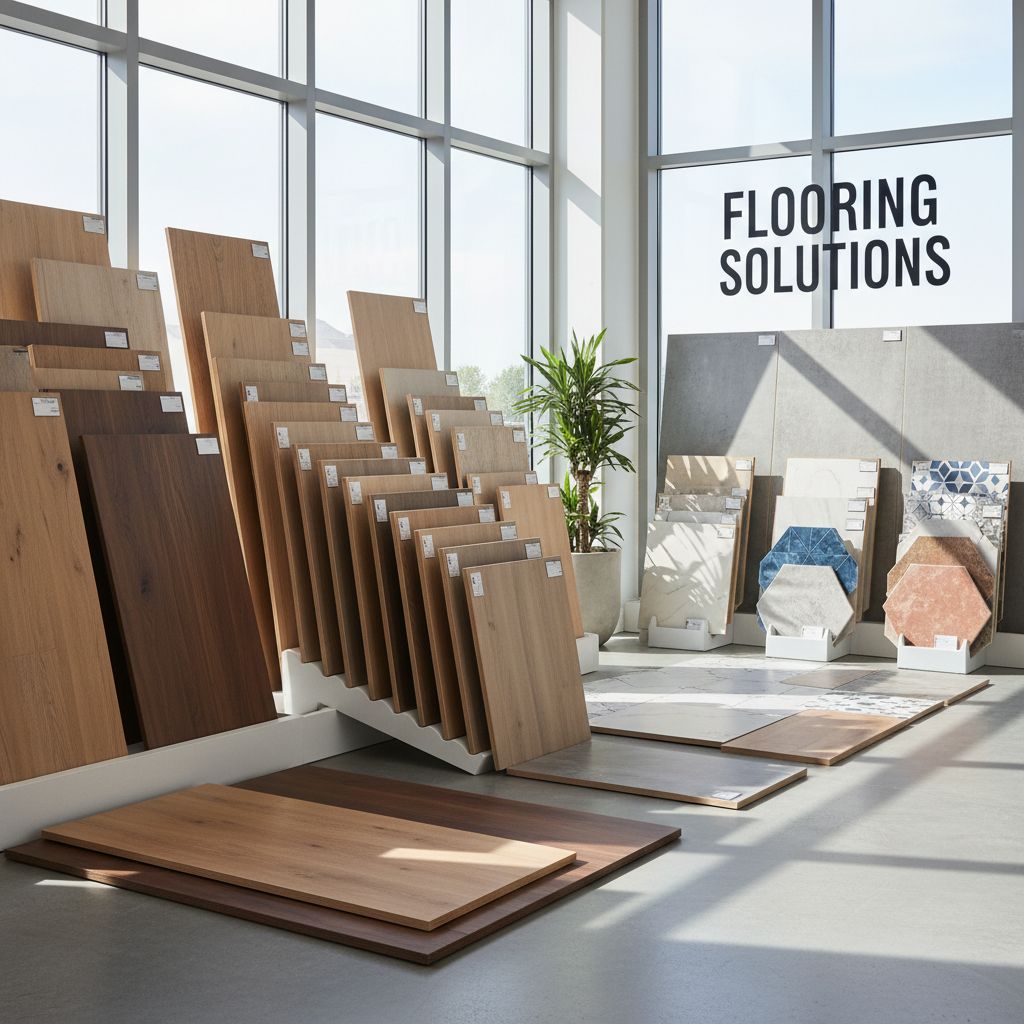
Understanding how local environmental stressors impact your wood helps frame the financial investment. Budgetary considerations often dictate the final choice to refinish or replace hardwood floors. For a standard 1,000 square foot project in Millard County, professional refinishing typically ranges from $3,000 to $6,000. In contrast, a total replacement with new solid hardwood can range from $12,000 to $25,000 or more, depending on the wood species and grade selected.
Project Type (1,000 Sq. Ft.) | Estimated Cost Range | Primary Benefit |
|---|---|---|
Refinishing | $3,000 – $6,000 | Lowest cost; restores original character |
New Hardwood Replacement | $12,000 – $25,000+ | Maximum ROI; corrects structural issues |
High-Quality LVP or Laminate | $7,000 – $12,000 | Enhanced durability; mid-range cost |
While refinishing is the most economical way to maintain the prestige of real wood, a professional installation of high-quality flooring offers better long term value if the underlying structure is compromised. Tearing out old planks allows for necessary subfloor leveling and moisture barrier installation, which are critical in our dry climate. Homeowners often weigh these costs against alternatives like Luxury Vinyl Plank (LVP), which generally costs more than refinishing but significantly less than new hardwood.
Choosing professional project management is the most effective way to eliminate hidden costs, such as debris removal, baseboard transitions, or unexpected floor prep. When you contact Anders Flooring for an estimate, we provide a transparent breakdown that accounts for these variables. You can learn more about our craftsmanship and how we ensure every dollar spent contributes to a durable, beautiful finish that stands up to Fillmore’s unique climate.
Managing the Project: Can You Stay in the House During Refinishing?
Deciding to refinish or replace hardwood floors involves significant logistical planning, particularly regarding your living arrangements. While you technically can stay in the home during a project, most residents find the environment challenging. Professional sanding generates substantial noise and fine particulate matter. At Anders Flooring, we utilize advanced dust containment systems to mitigate this, but no system captures every particle.
The primary concern for most homeowners is the presence of Volatile Organic Compounds (VOCs) found in stains and polyurethane finishes. These fumes can be overpowering and require proper ventilation. If we are refinishing a central hallway or the only kitchen access, your daily routine will be entirely disrupted for three to five days. In contrast, a full replacement often takes longer due to subfloor preparation, but the air quality is less impacted by chemical odors during the structural phase.
To prepare your Fillmore home, we recommend the following: - Turn off the HVAC system during active sanding to prevent dust from circulating through ducts. - Seal off non-work areas with heavy-duty plastic sheeting and painter's tape. - Plan to stay elsewhere for at least 48 hours once the final topcoats are applied.
For a detailed breakdown of how we manage these logistics, you can read more about our craftsmanship and our commitment to maintaining a clean job site.
Hardwood Replacement and Refinishing FAQs
Homeowners in Millard County often have specific questions when deciding whether to refinish or replace hardwood floors.
What is the life expectancy of hardwood floors? Solid hardwood typically lasts between 20 and 100 years. This impressive lifespan depends on the wood species, original thickness, and how well the indoor environment is regulated to prevent moisture damage.
Is it cheaper to refinish or replace with vinyl? Refinishing is usually more cost-effective than a new professional installation of high-quality flooring like luxury vinyl. Restoration preserves the high resale value of your natural timber for a lower total investment than a full tear-out.
How often can you sand a floor? Standard 3/4 inch solid planks can be sanded 7 to 10 times over their life. Engineered wood is more restricted, typically allowing only 1 or 2 sandings before the veneer becomes too thin. To evaluate your floor's remaining thickness, contact Anders Flooring for a site visit or read more about our craftsmanship online.
Choosing between refinishing and replacing depends on the depth of the damage and your vision for your home. While a simple sand and stain can revive many surfaces, older or thinner boards might need a fresh start. If you want expert help determining the best path forward for your Utah property, our team is ready to assist. You can learn more about our approach and our commitment to quality service. We are here to ensure your floors remain a beautiful centerpiece for years to come.